No foundation, no filter, no problem—because today’s all about celebrating your skin as it is. It’s National No Makeup Day, and while we’re ditching the glam, there’s one step we’re absolutely not skipping: SPF.
It’s April 26th aka National No Makeup Day! The official day for embracing your natural glow. It’s the perfect excuse to give your skin a break, press pause on the 10-step routine, and skip the full glam for a day.
But here’s the thing—going makeup-free doesn’t mean skipping skincare. If there’s one step you absolutely shouldn’t miss, it’s SPF. Yep, sunscreen is your skincare non-negotiable—especially now that spring sunshine is turning into full-on summer rays. No makeup? No problem—as long as SPF is still part of the plan.
In this post, we’ll break down why SPF is the secret to keeping your skin happy and protected every day, but especially during the spring and summer months, when your skin needs extra protection.
The One Step You Can’t Skip on No-Makeup Days
You know that flawless complexion we’re all chasing? Here’s the thing—getting those results isn’t just about your moisturisers and serums. And for those thinking, “I don’t burn, so I don’t need sunscreen,” let me just say—skin damage can still happen, even when it’s cloudy.
The real key? SPF. It’s the one skincare step that’s actually protecting your skin. Think of it as your daily defence against dullness, sun damage, and early signs of aging.
Even on cloudy days, those sneaky UV rays are still out there causing damage. And no, it’s not just about avoiding sunburn. We’re talking wrinkles, dark spots, and elasticity that’s slowly slipping away.
Wearing SPF every day is essential, no matter the season. But when the sun’s stronger in spring and summer, it’s even more crucial to protect your skin from all that UV damage. So, let’s break down why SPF can totally level up your skincare game!
Why SPF Is the Ultimate Skin Protection for Spring and Summer
Here’s the thing: the sun hits way harder in the warmer months. Whether you’re beach-bound or brunch-bound, you’re soaking up more UV than you realise. The sun feels amazing in the moment, but your skin’s definitely not letting it slide if you forget the SPF.
UVB rays (the sunburn culprits) are at their peak in Spring and Summer. And it’s not just about avoiding a lobster situation — it’s about protecting your skin for the long haul.Wrinkles, sagging, and dark spots? Hard pass. That’s why SPF isn’t just a good idea — it’s non-negotiable this time of year.
The Best SPF for Your Skin Type—Finding Your Match
Just like your makeup, finding the right SPF for your skin type is key. Whether you’re a skincare newbie or a pro, choosing the best sunscreen for your skin’s needs will make ahuge difference in how it feels and protects you.
Oily Skin
If you’ve got a shiny T-zone or just can’t stand the feeling of a heavy cream, go for a gel-based or mattifying sunscreen.
These formulas will protect you without the greasy aftermath, leaving your skin fresh and shine-free.
Dry Skin
Hydrating SPF is a must! Look for sunscreens with added moisturising ingredients like hyaluronic acid, glycerin, or ceramides to give your skin a smooth, plump feel.
Sensitive Skin
If your skin reacts to certain products (we’ve all been there), look for a mineral sunscreen.
These use zinc oxide or titanium dioxide as their active ingredients and are typically less irritating.
They provide broad-spectrum protection without clogging pores or causing flare-ups.
Combination Skin
Lucky you, you can pretty much rock any formula! If you like the feel of something light and fresh, opt for a lightweight, non-comedogenic SPF.
For a bit more hydration, go for something with a soft, dewy finish.
Make SPF Part of Your Daily Routine—Your Skin Will Thank You Later!
You know SPF is key, but how do you work it into your routine? It’s easier than you think—let’s break it down!
Find Your Favourites
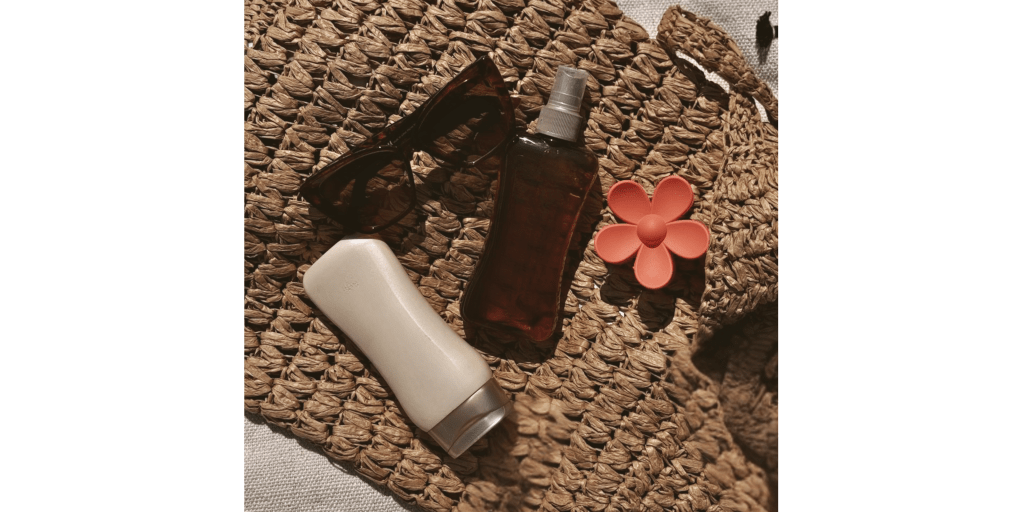
There are so many SPF products out there these days—lotions, sprays, powders, and even makeup that contain SPF.
Whatever works best for you, make sure you’re applying at least SPF 30 every day. Don’t hold back— make sure you’re applying enough to your face, neck, chest, and shoulders.
Layer It Up
Don’t just rely on your tinted moisturiser.Layer a sunscreen underneath for that extra layer of protection.
Tip – Try a SPF-infused BB cream that gives just the right amount of glow without feeling heavy.
Reapply, Reapply, Reapply
The key to SPF is reapplication, especially if you’re out in the sun for hours. Aim to reapply every two hours (or more often if you’re swimming or sweating). There are some SPF setting sprays out there now, which make reapplying throughout the day a breeze.
The Power of SPF: Protect, Prevent, Glow
SPF is always in style—whether you’re makeup-free for National No Makeup Day or rocking your full beauty routine. If you haven’t added it to your skincare game yet, now’s the time, especially with the sunny days ahead.
So, while you embrace your natural glow today, don’t forget that SPF is your secret to keeping that glow safe and protected!
This website contains affiliate links. If you click and make a purchase through these links, I may earn a small commission at no extra cost to you.
Check out our Pinterest and Insta for more beauty tips like this!
Serums, cleansers, and toners made simple: Your ultimate beginner’s guide to glowing skin in 5 easy steps.
Starting a skincare routine can feel overwhelming. Stuck in the skincare aisle, unsure what to buy? You’re not alone! Don’t worry this beginner-friendly 5-step routine works for all skin types and makes caring for your skin simple and stress-free. Morning and night, these easy steps will help you glow with healthy skin in no time.
Understanding Your Skin Type
Normal skin – Balanced, smooth, and clear with no excess oil or dryness.
Oily Skin – Excess sebum production produces a shiny appearance and a higher risk of acne.
Dry Skin – Lacks moisture, causing tightness, flakiness, and a rough texture.
Combination Skin – A mix of oily T-zone and dry areas, often with a shiny forehead, nose, and chin, and drier cheeks.
Sensitive Skin – Prone to redness, irritation, or reactions to skincare products and environmental factors.
Ultimate Beginner’s Skincare Routine
Keeping up with a regular skincare routine is super important for healthy skin. Experts recommend a morning and night routine every day to get the best results, helping your skin stay nourished, balanced, and glowing!
Step 1 – Cleanse Your Skin for a Healthy, Glowing Complexion
Cleansing your face is the first and most important step in any effective skincare routine. While it seems simple, it’s often rushed. Just splashing water on your face isn’t going to cut it if you want to see the results you’re looking for. Taking time to properly cleanse is key to achieving healthy, glowing skin.
Why Cleansing is Non-Negotiable
Your skin faces many external factors every day from the products you use to the weather and everything in between. All these elements can contribute to buildup on your skin, affecting its health.
Here’s why it’s crucial to include cleansing in your beginner’s skincare routine:
Removing dirt, sweat, and makeup
Is essential as daily exposure to external stressors can lead to buildup on your skin. Cleansing your face helps prevent clogged pores and breakouts.
Cleansing does more than just clean your skin
It unclogs pores, balances natural oils, and preps your skin to absorb products better. With clean, open pores, active ingredients like hyaluronic acid or Vitamin C can work their magic, and balanced skin is much more ready to soak up all the hydration and nourishment your products provide.
Boosts your skin’s hydration
Using a hydrating facial cleanser helps lock in moisture, leaving your skin looking youthful, smooth, and naturally glowing.
Life Without Cleansing: What to Expect
Skipping regular face cleansing can throw off your skin’s natural balance and affect it in different ways depending on your skin type.
Oily Skin – Likely to have clogged pores and more frequent breakouts
Dry Skin – Your complexion may look even drier and lose its natural glow
Sensitive Skin – Expect increased irritation and redness.
Normal Skin – Excess buildup can make your skin feel less fresh
Combination Skin – Oily areas get oilier, while dry areas feel tighter and more irritated
Morning
Starting your day with a morning cleanse is the perfect way to refresh your skin and kick off your skincare routine. Cleansing once is enough, but if you feel like doubling up, that’s totally up to you just do what works best for your skin!
A non-foaming gel cleanser is perfect for your morning routine. It gently removes any oil, dirt, or sweat that builds up overnight and works well for all skin types.
Think of your morning cleanser as a primer it preps your skin perfectly for all skincare and makeup products you’ll be applying next.
How to Apply
Splash your face with lukewarm water.
Apply a pea-sized amount of cleanser to your face using your fingertips.
Gently massage the cleanser in circular motions for about 30 seconds.
Focus on areas like your T-zone that are prone to buildup.
4. Rinse your face with lukewarm water to remove the cleanser.
Throughout the day, your skin is exposed to many factors that can lead to buildup, which is why cleansing your face twice during your nighttime skincare routine is key for seeing real results.
1st Cleanse
Use an oil-based cleanser, as oil-based formulas are the most effective at removing makeup and surface dirt from your face.
The first cleanse is crucial: it gives your face a clear canvas for your second wash and helps boost the effectiveness of your entire skincare routine by allowing your products to absorb better.
How to Apply
Start with dry hands and face, then apply a generous amount of cleanser directly to your skin. Use 3-4 pumps for best result.
Use your fingertips to gently massage the cleanser for about 1 minute.
Focus on areas with buildup, like your T-zone.
3. Wet your hands with lukewarm water and continue massaging your face
4. Rinse your face thoroughly with lukewarm water until all the cleanser is removed.
Use a water-based cleanser for your second cleanse. It’s gentle on the skin while still being effective.
These cleansers work for all skin types because of the soothing and hydrating ingredients they contain. Plus, the hydration helps prep your skin to better absorb your other skincare products.
How to Apply
Splash your face with lukewarm water to get started.
Apply a pea-sized amount of cleanser with your fingertips and gently massage it into your skin for about 30 seconds.
Pay extra attention to areas like your T-zone, where buildup tends to happen.
3. Rinse thoroughly with lukewarm water to make sure all the cleanser is gone.
Preps your skin to absorb the benefits of other skincare products
Amazing! You’ve nailed the first step. Now, let’s move on to the next one to deeply cleanse your skin and enhance its natural glow.
Step 2 – The Best Toning Routine for Every Skin Type
If you’re just starting out, you might be asking yourself, ‘What even is a toner?’ Relax, it’s not as scary as it sounds!
Toners are liquid-based products with a water-like consistency, designed to be used after cleansing but before moisturizing. Their job? To deeply clean your skin by removing any leftover dirt and oil at the pore level, leaving your face fresh and prepped for the next steps in your routine.
Your Skin, Your Rules: Find the Perfect Toner for You
For Oily Skin
If you want the best results, go for a toner with these key ingredients:
Witch hazel – natural astringent
Tea tree oil – antibacterial properties
Salicylic acid – exfoliates and unclogs pores.
Benefits
Controls excess oil
Minimises pores
Prevents breakouts
For Dry Skin
If you want the best results, go for a toner with these key ingredients:
Hyaluronic acid – moisture retention
Aloe vera – soothing and hydrating
Glycerin – hydration boost
Benefits
Provides hydration
Soothes dry patches
For Combination Skin
If you want the best results, go for a toner with these key ingredients:
Niacinamide – balances sebum production
Green tea extract – antioxidant and soothing
Panthenol – hydrating without being greasy
Benefits
Balances oily and dry skin
For Sensitive Skin
If you want the best results, go for a toner with these key ingredients:
Chamomile – calming
Centella Asiatica – healing and soothing
Allantoin – anti-inflammatory
Benefits
Soothes irritation
Strengthens skin barrier
Reduces redness
For Acne-Prone Skin
If you want the best results, go for a toner with these key ingredients:
Your morning and night toner routine follows the same simple steps, and using the same toner for both can still deliver great results. But if you’re looking to fine-tune your routine, just make a few simple tweaks and follow this easy guide.
Morning
In the morning, focus on hydration and prepping your skin with a toner that contains ingredients like hyaluronic acid and soothing agents. It’s the perfect way to get your skin ready for SPF and makeup.
Night
At night, focus on your skin’s repair and treatment by choosing a toner that meets its needs—like an exfoliating toner to remove dead skin cells or a calming toner to support overnight recovery.
How to Apply
Always apply toner after cleansing to ensure your face is clean and ready for the toner to work its magic.
Use a cotton pad with a pea-sized amount of toner and gently swipe it across your face, starting from the centre and moving outward.
Focus on areas prone to buildup, like the T-zone.
2. Let the toner fully absorb into your skin for a few minutes before moving on to the next step in your routine.
Benefits of Using A Toner
Balances pH and Keeps Skin Hydrated – Helps maintain your skin’s natural balance while locking in moisture.
Fights Acne and Prevents Breakouts – Keeps pimples at bay and promotes clearer skin.
Brightens Your Complexion – Gives your skin a healthy, radiant glow.
Tightens Pores – Helps smooth and refine the appearance of pores.
Preps Skin for Other Products – Boosts the absorption of your skincare routine, making everything work even better.
Toner, done! Let’s move on to step 3!
Step 3: The Ultimate Guide to Using Serums for Clear, Youthful Skin
Serums are lightweight, fast-absorbing skincare must-haves, designed to deliver a highly concentrated dose of active ingredients like hyaluronic acid and Vitamin C. They’re perfect for tackling specific skin concerns, from hydration to brightening, giving your skin the care it craves.
With water-based formulas enriched with vitamins, minerals, and antioxidants, serums work their magic to nourish and protect. Think of them as your skin’s daily boost for a healthy, radiant glow!
Benefits
Hydrating – Give your skin a drink for that plump, dewy glow.
Brightening – Wave goodbye to dullness and hello to radiant, even-toned skin.
Anti-Aging – Smooth out fine lines and keep your skin looking firm and youthful.
Acne Control – Tackle breakouts and enjoy clear, healthy skin.
Soothing – Soothe irritation and restore your skin’s natural balance.
Serums can feel a bit tricky compared to other steps, but don’t worry—I’ve got you! Let me walk you through it step by step.
When to Apply: A.M. and P.M.
Hydrating serums with ingredients like hyaluronic acid or niacinamide are super gentle, so you can use them both morning and night without worry.
That said, don’t overload your skin with too many active ingredients. For stronger exfoliating or anti-aging serums, it’s best to use them every morning but only every other night to keep your skin happy and irritation-free.
Morning
Use Vitamin C Serum – Perfect for boosting protection, hydration, and giving your skin a bright, radiant glow.
Use 3-4 drops, since serums are super concentrated.
Gently press the serum into your skin with your fingertips.
Target problem areas like dry patches or dark spots.
3. Don’t rub it in, as it can cause uneven absorption and irritation.
4.Wait 1-2 minutes to let the serum fully sink in before layering on other products.
You’re on a roll! Step 3 is done—just two more steps to go!
Step 4 – Moisturise: Why It’s Essential for Healthy Skin
Moisturising is key to keeping your skin protected, hydrated, and glowing. It helps maintain a healthy complexion and ensures your skin stays in top shape.
It’s a great habit to moisturise both morning and night. Doing so can help prevent issues like extreme dryness or oiliness, while also strengthening your skin barrier to lock in moisture and keep your skin balanced.
How to Choose the Best Moisturiser for Your Skin
Dry Skin – Opt for rich, cream-based moisturisers with nourishing ingredients like shea butter or hyaluronic acid.
Oily Skin –Go for lightweight, gel-based formulas with non-comedogenic ingredients that won’t clog your pores.
Sensitive Skin – Choose fragrance-free, soothing moisturisers with calming ingredients like aloe vera or ceramides.
Combination Skin –Pick a moisturiser that’s balanced—light enough for your oily spots but hydrating for those dry areas.
Your skin’s needs change throughout the day, so it’s a good idea to use different moisturisers for morning and night to give your skin exactly what it needs.
Boosts Hydration & Elasticity – Keeps your skin soft, plump, and full of life.
Shields from Irritation & Dryness – Defends your skin against harsh elements and dryness.
Strengthens the Skin Barrier – Enhances your skin’s natural shield to lock in moisture.
Prevents Skin Problems – Helps keep issues like breakouts or dryness at bay.
Morning
Morning moisturisers are designed to protect your skin from environmental stressors while keeping it hydrated without feeling heavy.
They work to protect and nourish your skin, giving you a fresh, balanced base for the day ahead.
For the best results, choose a moisturiser with these key ingredients:
SPF – Crucial for protecting your skin from UV damage—look for SPF 30+.
Antioxidants – Ingredients like Vitamin C help shield your skin from pollution and environmental damage.
Lightweight – Gel or lotion-based moisturisers absorb quickly and layer beautifully under makeup.
Night
Night moisturisers are made to hydrate and repair your skin while you sleep, working with your body’s natural renewal cycle.
They work overnight to restore and regenerate your skin, so you can wake up to a glowing, refreshed complexion.
For the best results, choose a moisturiser with these key ingredients:
Hydrating Agents – Hyaluronic acid and glycerin deeply hydrate and replenish moisture as you sleep.
Anti-Aging Actives – Retinol, peptides, and niacinamide work overnight to repair skin and stimulate collagen production.
Rich Texture – Thicker creams or balms lock in moisture, helping your skin repair and regenerate while you rest.
How to Apply
Warm the moisturizer by rubbing it between your palms. This helps it spread more evenly on your skin.
2. Apply a pea-sized amount to key areas like your forehead, cheeks, nose, and chin.
3. Use your fingertips to gently spread the moisturiser across your face with upward strokes.
4.Allow it to absorb for 1-2 minutes before applying any other products.
Congrats, you’ve made it to Step 5! Just one last step to seal the deal for glowing skin.
Step 5 – SPF: Protect Your Skin from Sun Damage Every Day
Applying SPF is one of the most important steps in your skincare routine. Experts recommend using SPF 30 or higher every day, no matter the season or weather. Just because you can’t see the sun doesn’t mean harmful UV rays aren’t still affecting your skin.
SPF should only be applied in the morning as part of your skincare routine to protect your skin for the day ahead. Since UV rays from the sun are most intense during the day, it’s essential to use SPF to shield your skin from potential damage.
Benefits of SPF
Prevents Sunburn – Shields your skin from harmful UV rays that cause sunburn.
Reduces Risk of Skin Cancer – Protects your skin, lowering the risk of skin cancer caused by UV exposure.
Prevents Premature Aging – Helps avoid wrinkles, fine lines, and sunspots caused by sun damage.
Fights Hyperpigmentation – Reduces the appearance of dark spots and uneven skin tone caused by the sun.
How to Apply
Use 3-4 drops and apply generously across your face.
Gently rub the sunscreen into your skin using upward, circular motions for even coverage.
Wait 2-3 minutes before applying makeup to allow the sunscreen to fully absorb.
Skincare routine: complete, and your skin’s loving it!
Congrats!! You’ve completed your ultimate beginner skincare routine! Your skin is now nourished, protected, and ready to glow. With just 5 simple steps, you’re on your way to smoother, healthier, and more radiant skin. Keep it up, and you’ll be amazed at how great your skin will look and feel!
This website contains affiliate links. If you click and make a purchase through these links, I may earn a small commission at no extra cost to you.











 Glamour & Trends